From TV shows to indie films
Working for Rocket Science VFX was my entry point to the Canadian Media & Entertainment industry, which ended up giving me both exciting and some good reality-checks around creative fields.

To begin with, I worked there as a Digital Matte Painter, and as the name suggested, I was doing plenty of CG integrations into plates mainly for background and occasionally for close-up shots especially for faces. Photoshop was my go-to tool at the time.
Now, having said that, the truth was that I ended up doing half of the time compositing work, which (oh surprise) was about inserting the same paintings I'd done into moving plates using motion tracking techniques inside Nuke.
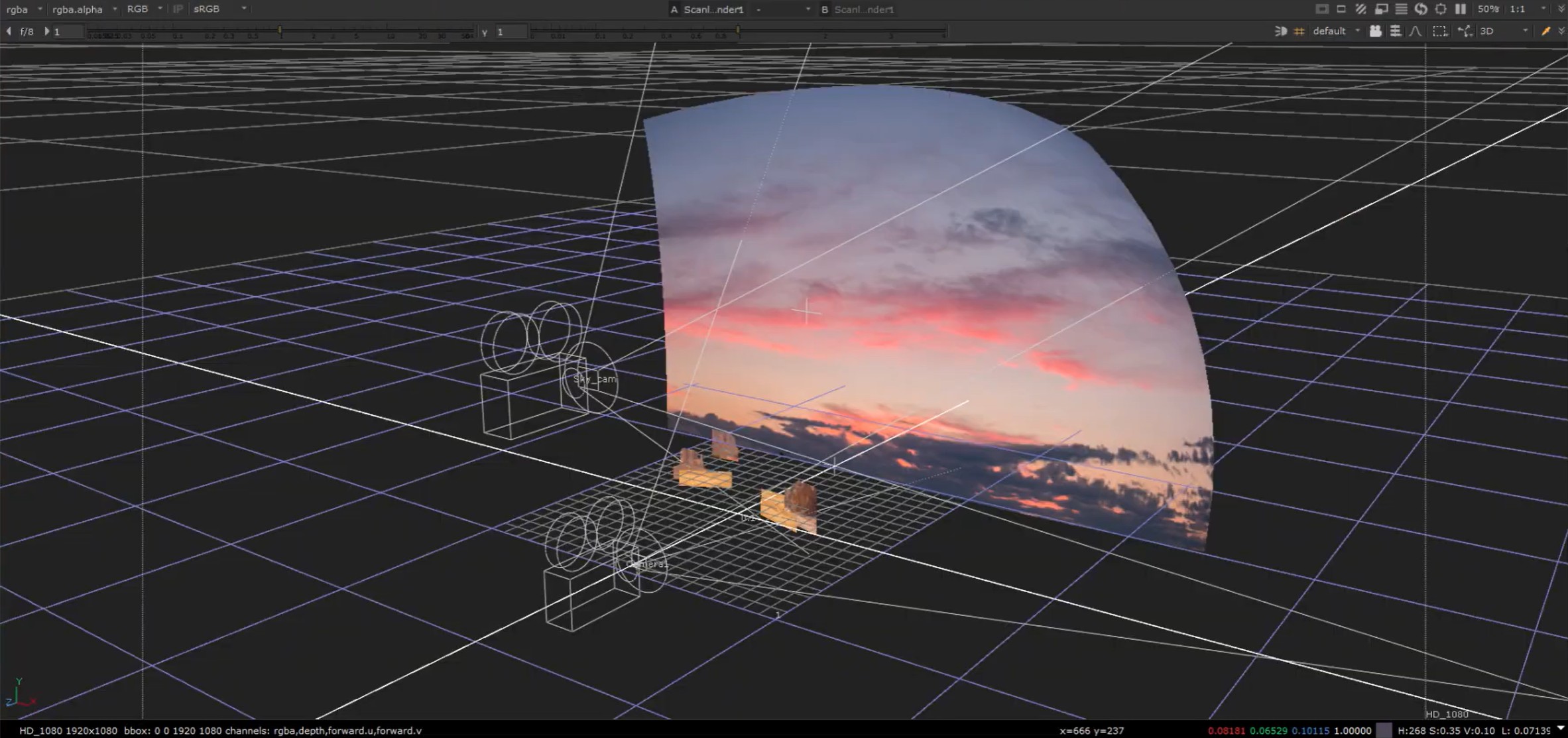
So, the pipeline would go like this:
- Do the digital painting insertion on PSD.
- Composite it in Nuke (basic color correction)
- Motion track it (if needed)
- Ship it – Send for QA
- Tackle revisions (if any)
For a time, I thought about mastering Nuke because I liked its node-based workflow for VFX pipelines and its well-structured interface. I remember constantly checking in for new updates, tools, shelves and even its Unreal Engine integration that boggled my mind at the time. Still AI was a minor thing although people were starting to question whether it could replace (as it seems nowadays) the manual work of painting, enhancing or modifying digital plates with a realistic finishing.
Working on the shows
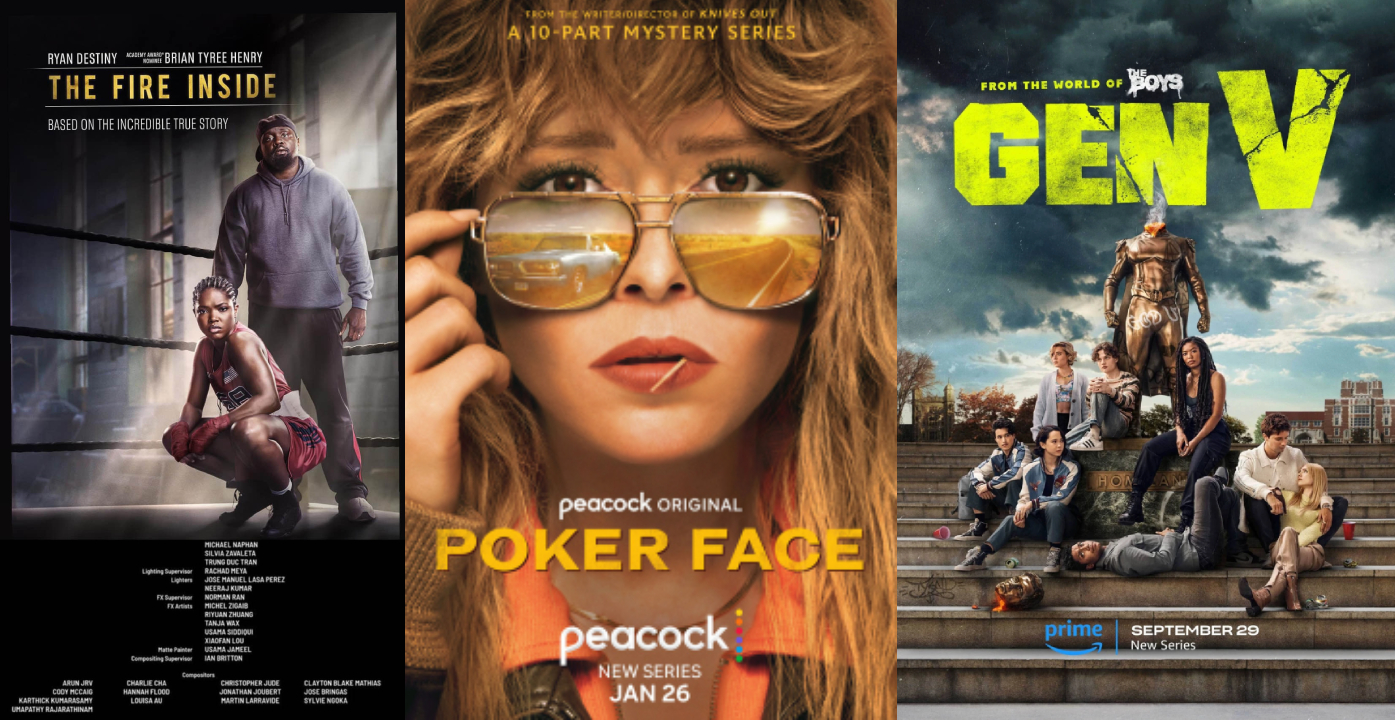
I worked for some tv shows like Gen V or Poker Face (which btw I never watched the whole series, haha). Green screen replacement, split screen and motion tracking were some of the most common tasks I was assigned. By the 3rd month of work, I was starting to feel really comfortable handling those scenarios and that is why working for 'The Fire Inside' was probably my biggest reward as I had a clear scope and the tools to succeed there (and my name appearing in the credits really felt great!)
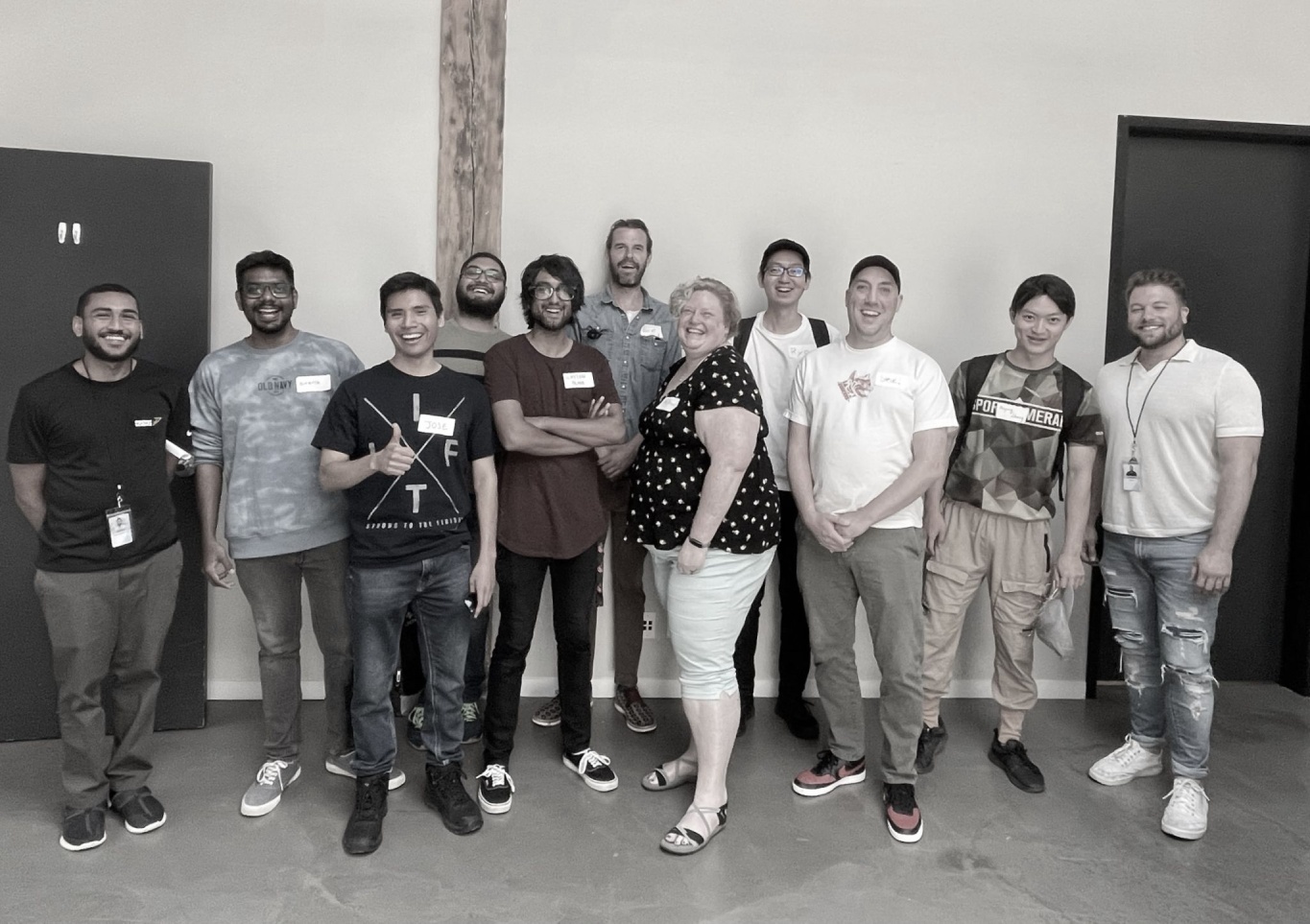
Hats-off to the so many talented 'compers' that helped me out there, especially to my sup David Rezzek, such a nice person!
The big reality-check
It wasn't until my 4th-month there that most of my intern folks, including me, were basically told that things were getting pretty tight for the following year leading to a drastic headcount cut which happened abruptly. Maybe, I wasn't ready to hear that as my instant reaction was "No worries, let's find another studio or a new temp gig somewhere else". The truth was that the VFX landscape was starting to change everywhere else, not only for my studio. Cuts in headcount responded to a mix of causes, which I cannot clearly flag. Some said it was due to the ongoing writers' strike, others because of past bad financial decisions, etc.
The only thing that I still remember is how sad many folks, including me, were as many of them had, and they still have, a great potential to thrive anywhere given the tools and resources.
Lesson learned
I think working at Rocket Science VFX was a good starting point to how the industry moves, and more than everything, it opened up my interest in new upcoming tools such as Unreal Engine 5 that really sparked my imagination for creative outcomes.
Being aware that external economical factors affect my work, made me reshape my mindset around technology. From that experience, I started to dive into tools, workflows and softwares that had become standard for digital artists / designers such as game engines, real-time workflows and interactive media. Eventually, this would help me land my second job at UP360 Inc. Although, let's save that for another chapter (actually I already have that chapter in my website LOL).